

High Frequency Add-On Gallery
$$MultiPurposeText$$
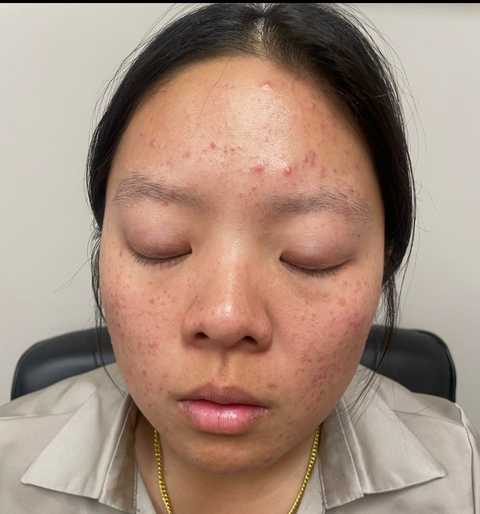
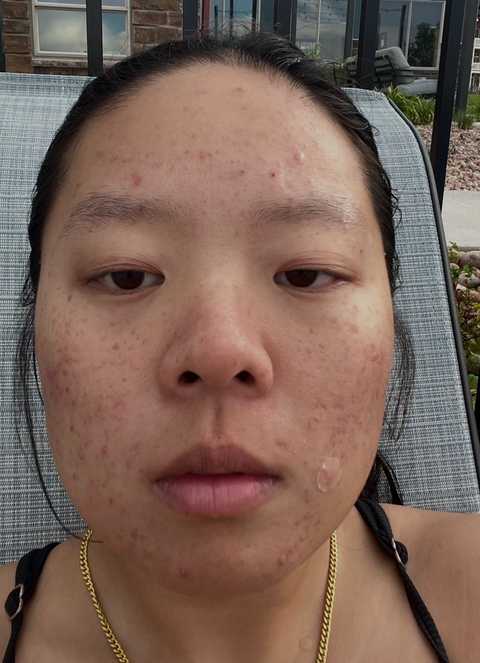
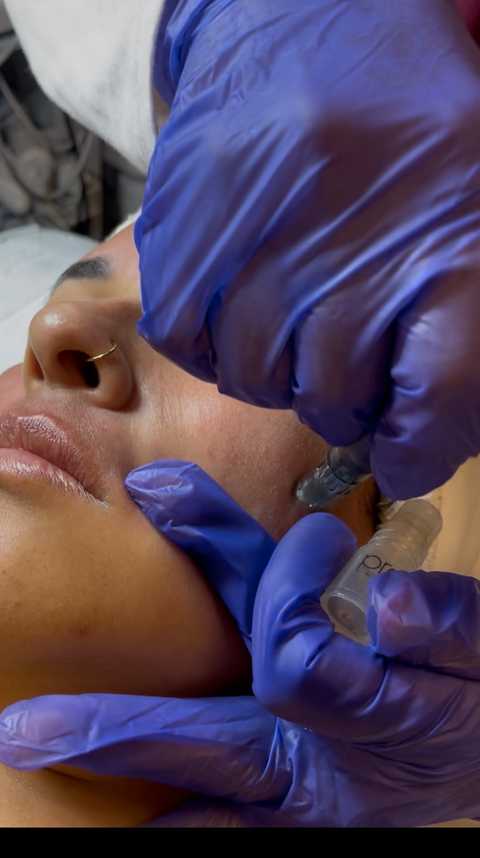
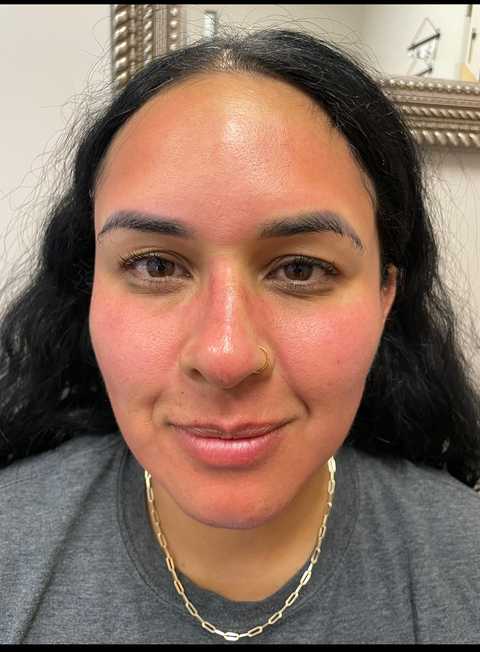
See examples of our High Frequency Add-On work and results.





What Our Clients Say
$$MultiPurposeText$$
Read testimonials from our satisfied customers

I have been going to Seema for over 2 years. She takes the time to study your skin and see...more

Great experience with Serma! A professional who knows what she’s is doing and personable. ...more

Seema was very professional and thorough. I appreciated her time and expertise.

She was fantastic. My skin looked absolutely beautiful after my service.

Awesome experience and very professional. Definitely will be coming again!!!!

There are great

Frequently Asked Questions
Get answers to common questions about High Frequency Add-On.
This add-on uses gentle high-frequency electrical currents to oxygenate skin, kill acne-causing bacteria, reduce inflammation, and stimulate circulation. It complements facials and extractions, promoting faster healing and clearer skin with minimal discomfort.
Yes, when performed by our licensed estheticians it's generally safe for sensitive skin. We adjust intensity and electrode type, and perform a brief consultation to ensure tolerance. Minor redness may occur but typically subsides within hours.
Our high-frequency add-on usually takes 5–10 minutes and is added onto facials or extractions. Time varies based on skin condition and targeted areas; your esthetician will recommend the optimal duration for safe effectiveness.
Side effects are minimal—temporary redness, mild tingling, or slight warmth are common and resolve within hours. Rarely, sensitive clients may experience transient dryness or increased sensitivity; follow post-care guidance and avoid direct sun exposure immediately afterwards.
Yes—it's specifically designed as an add-on to enhance facials, peels, and extractions. Your esthetician will sequence treatments for safety and effectiveness; certain aggressive procedures may require scheduling on different days for optimal healing.
For mild acne, 1–2 weekly sessions for 4–6 weeks may show improvement. For moderate to severe cases, combine with a customized treatment plan including topical therapies; your esthetician or clinician will create a schedule based on response.